The Problem Nobody Planned For
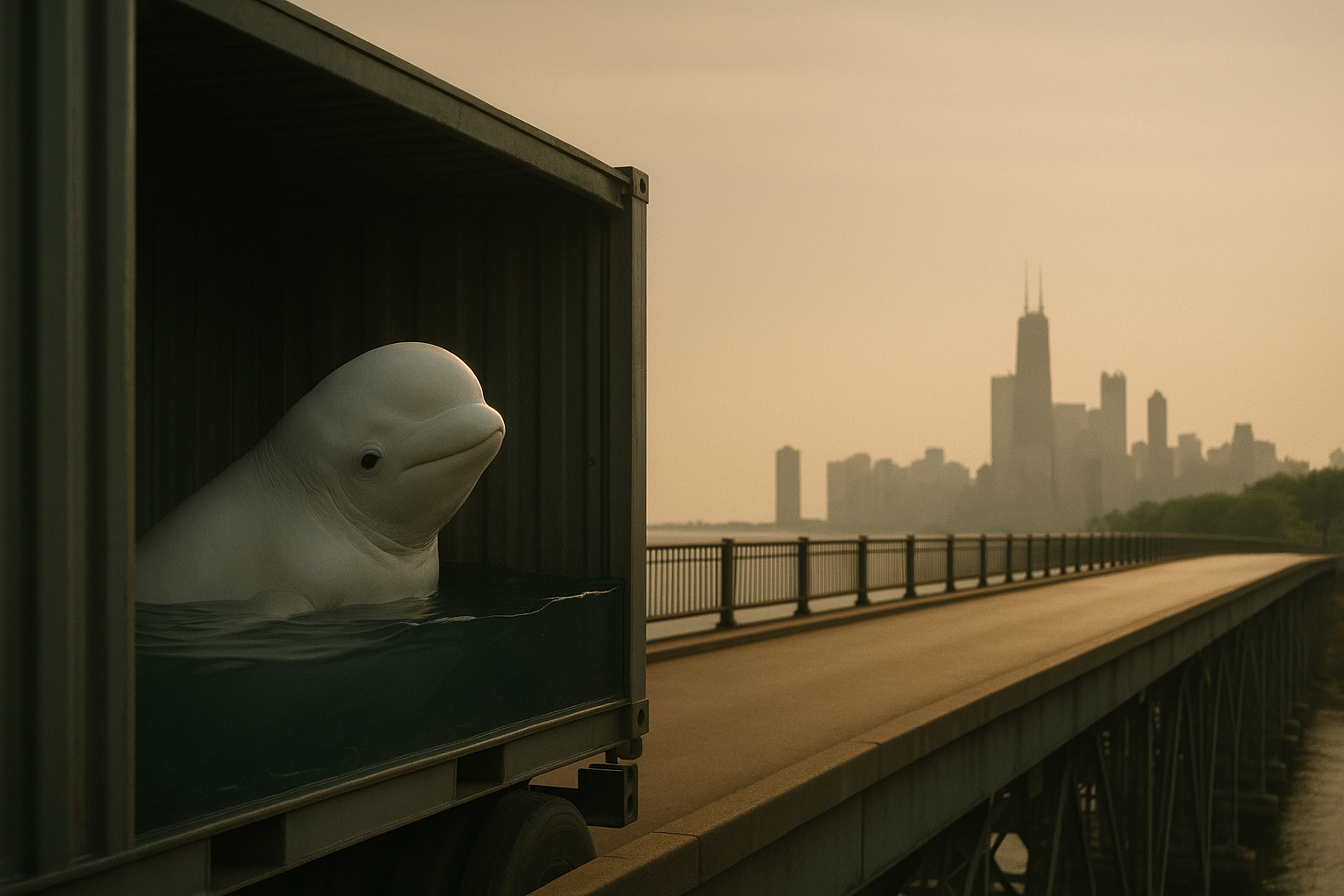
A theme park closed. Four beluga whales faced euthanization. On paper, this is a wildlife story. In reality, it's a systems failure wrapped inside a logistics problem wrapped inside a business collapse. And it reveals something uncomfortable about how we manage complex situations when the original infrastructure simply vanishes.
The scientists involved didn't have a playbook. No SOP for "whale rescue during corporate bankruptcy." They had to improvise, coordinate across jurisdictions, and move living creatures across borders while regulatory frameworks caught up to the reality on the ground. I'm not sure whether to admire this agility or worry that we only get this kind of cross-functional urgency when facing a literal life-or-death scenario. We're terrible at it until we absolutely have to be good at it.
Infrastructure Collapse as a Design Problem
Here's what fascinates me as someone who thinks about systems: when a business dies, its assets don't disappear cleanly. The whales didn't evaporate. The facilities didn't vanish. But the organizational structure—the decision-making hierarchy, the budgets, the documented protocols—did. That gap between physical assets and organizational absence is where most rescue attempts fail.
- Someone had to identify that relocation was possible at all
- Multiple government agencies had to agree on whether moving whales across borders was even legal, let alone feasible
- Coordination between a Canadian facility, U.S. regulators, and a Chicago aquarium required real-time information sharing nobody had built infrastructure for
- Transportation logistics alone—temperature, water composition, stress management during transit
- Then the whales actually had to survive the move
This isn't innovation in the TED Talk sense. This is unglamorous, coalition-building problem-solving. The kind of work that doesn't trend on Product Hunt. Coordinating across institutions that don't normally talk to each other, where success means nothing happens in the news.
What Digital Transformation Actually Looks Like
I spend my days advising companies on digital transformation, and most of it involves migrating from one broken system to a slightly different broken system with better dashboards. But this rescue mission hits on something real: when legacy systems fail catastrophically—when the original organization simply ceases to exist—you can't migrate your way out. You have to rebuild governance from first principles.
The scientists couldn't rely on the theme park's records. I'm not sure whether those systems were even accessible or trustworthy at that point, but more importantly, nobody owned them anymore. So they had to establish new information flows. Veterinary assessments. Transportation protocols. Water chemistry specs. Behavioral monitoring. All of this had to be documented, shared, and executed across organizations that had no prior relationship.
That's what real digital infrastructure looks like: not the glamorous automation, but the unglamorous coordination layer that prevents whales from dying in bureaucratic gaps. Stripe built payment infrastructure because credit card processing was broken. These scientists built whale-rescue infrastructure because that infrastructure didn't exist. Different scales, same principle.
The Part That Doesn't Resolve
What I can't quite settle is whether this rescue is repeatable or a one-time miracle born from public attention. The whales got rescued because this story became news, because it generated enough pressure and interest to justify the coordination costs. But how many similar situations happen in less visible industries? Facility closures with animals, environmental assets, infrastructure that nobody can quite claim responsibility for.
The scientists involved clearly did extraordinary work. But they also relied on something unsustainable: personal relationships, volunteered expertise, and the fact that four beluga whales generate headlines. Most organizational collapses don't get that treatment.
If I were advising on this, I'd say: don't depend on the next rescue being as successful. Build institutional frameworks now for when the next facility fails, the next system collapses. Create standing agreements between aquariums. Establish data standards for animal welfare records. Make emergency coordination repeatable instead of improvised.
But I'm also aware that those frameworks cost money and require coordination nobody's funding, because the crisis isn't active right now. We'll probably wait until the next whale rescue fails before we build the infrastructure that should've been there all along.