The Attack That Shouldn't Work (But Does)
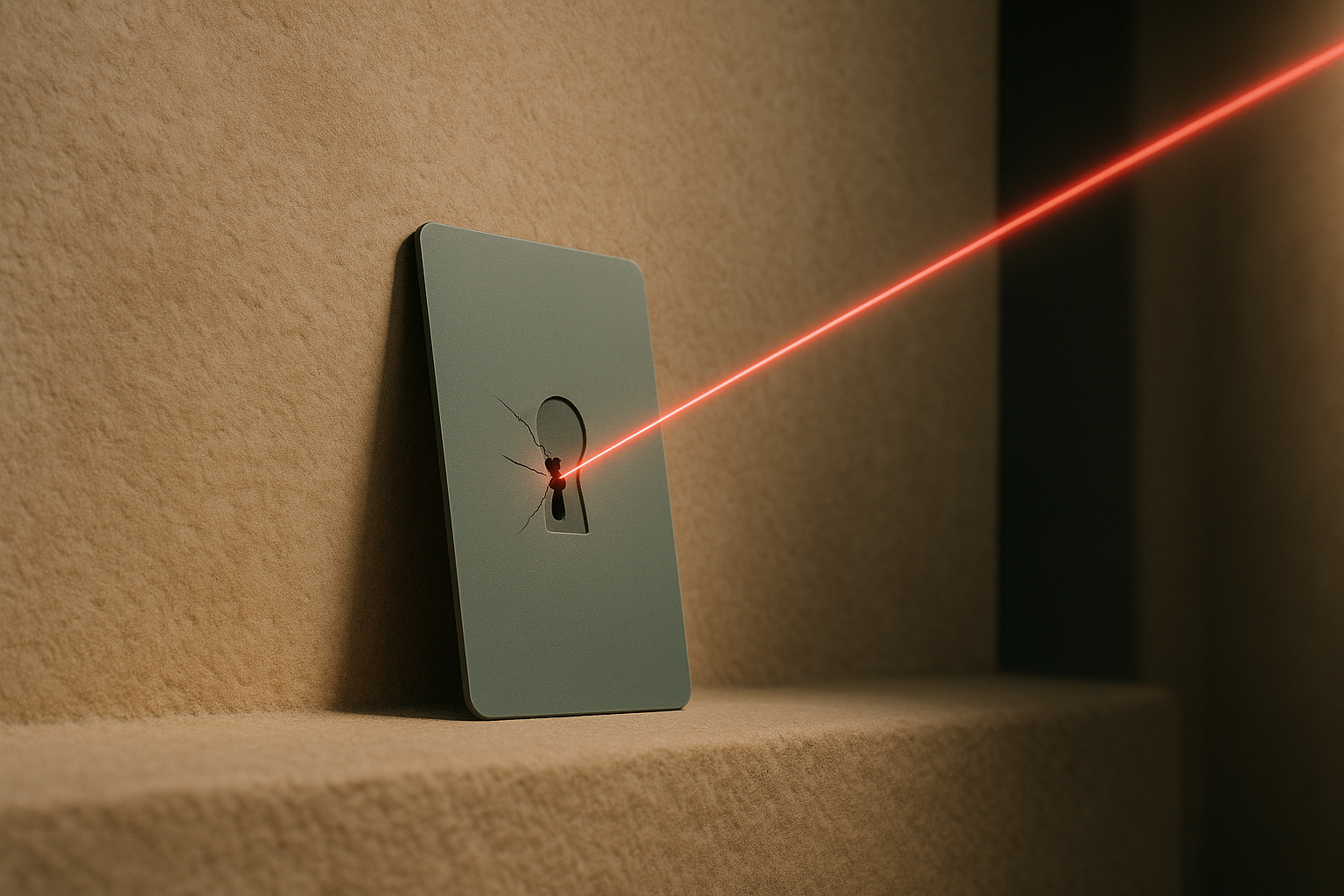
Ledger's Donjon team published something uncomfortable this week. A laser. Aimed at a chip. Password reset. The Tangem card—marketed as unhackable because it lives offline—gets compromised by physics, not software.
I've spent the last three years building payment automation for startups. Most of them integrate with hardware wallets or custody solutions. Not Tangem specifically, but the pattern is familiar: we assume the hardware layer is trustworthy, and we build everything else on top of that assumption. When that assumption cracks, it cracks everywhere.
Here's the uncomfortable part I'm wrestling with: does this vulnerability matter for 95% of Tangem users? Probably not. The attack requires specialized equipment, physical access to the card, and precise timing. But I'm genuinely uncertain whether that's the right take. Is "you're probably fine" actually fine when someone's cryptocurrency is involved?
Why This Hits Different Than Other Hardware Exploits
- Hardware wallets get patched through software updates
- Tangem cards cannot be patched once manufactured. At all. There's no firmware update mechanism. The vulnerability is permanent across every card ever made.
- The attack surface is physical
- Which means your security assumptions—the ones you build into your automation workflows—might need complete rethinking if you're handling Tangem integrations
When I design API integrations between payment systems and wallets, I model threat actors as network-based: interception, man-in-the-middle, credential theft. That model assumes the endpoint itself is solid. A laser attack inverts that. Now the endpoint is the weakest link, and it can't be fixed.
The Automation Problem Nobody's Talking About
Here's where this gets concrete for developers like me. If you're building workflows—custody systems, payment rails, treasury automation—you probably have a key rotation policy. You probably have backup cards. Maybe you use Tangem because the product is well-designed and the company is legitimate.
But key rotation assumes your backup is secure. Assume—I'm not sure this assumption holds anymore—that if someone gets access to the physical card, they can't get to the backup. Except they can. A laser. Same card model in your safe? Same vulnerability.
I'm building a workflow automation platform for a fintech client right now. They wanted to integrate Tangem cards into their custody model. We had three meetings about it. Two weeks ago, this vulnerability drops, and suddenly the entire architecture conversation shifts. Do we pivot? Do we add additional security layers? Do we accept the risk because the attack is impractical? None of those conversations have clean answers.
What I'd Actually Do (And What I'm Still Figuring Out)
- Audit whether your automation touches Tangem cards directly. If it does, you're not as decentralized as you think.
- Tangem isn't the only offline-storage option. Hardware wallets like Ledger or Trezor have firmware update mechanisms, which means vulnerabilities can be addressed. They're still targets, but they're patchable targets.
- Add a physical security layer. This sounds silly, but it's not: if the threat model includes lasers, your card storage needs to be inaccessible enough that an attacker would need resources you've already assumed they don't have
- Question whether offline storage is actually what you need. It's not a requirement—it's a solution to a specific problem. If the problem is "prevent network-based attacks," offline works. If it's "prevent all attacks," offline cards with unpatched laser vulnerabilities don't solve it
The honest thing? I don't know if I'd recommend Tangem to new clients right now. Not because the cards are bad—the design is actually elegant—but because the vulnerability is permanent and the attack surface expanded without warning.
The Larger Pattern
This is what keeps me up when I'm designing automation systems for financial products. Hardware is supposed to be trustworthy. It's supposed to be the bedrock that everything else sits on. And then someone points a laser at it and that bedrock shifts.
The security model has to account for physical attacks now. That changes how you think about backups, key rotation, and redundancy. It changes what you recommend to clients.
I'm still processing what this means for the architecture I designed last month.